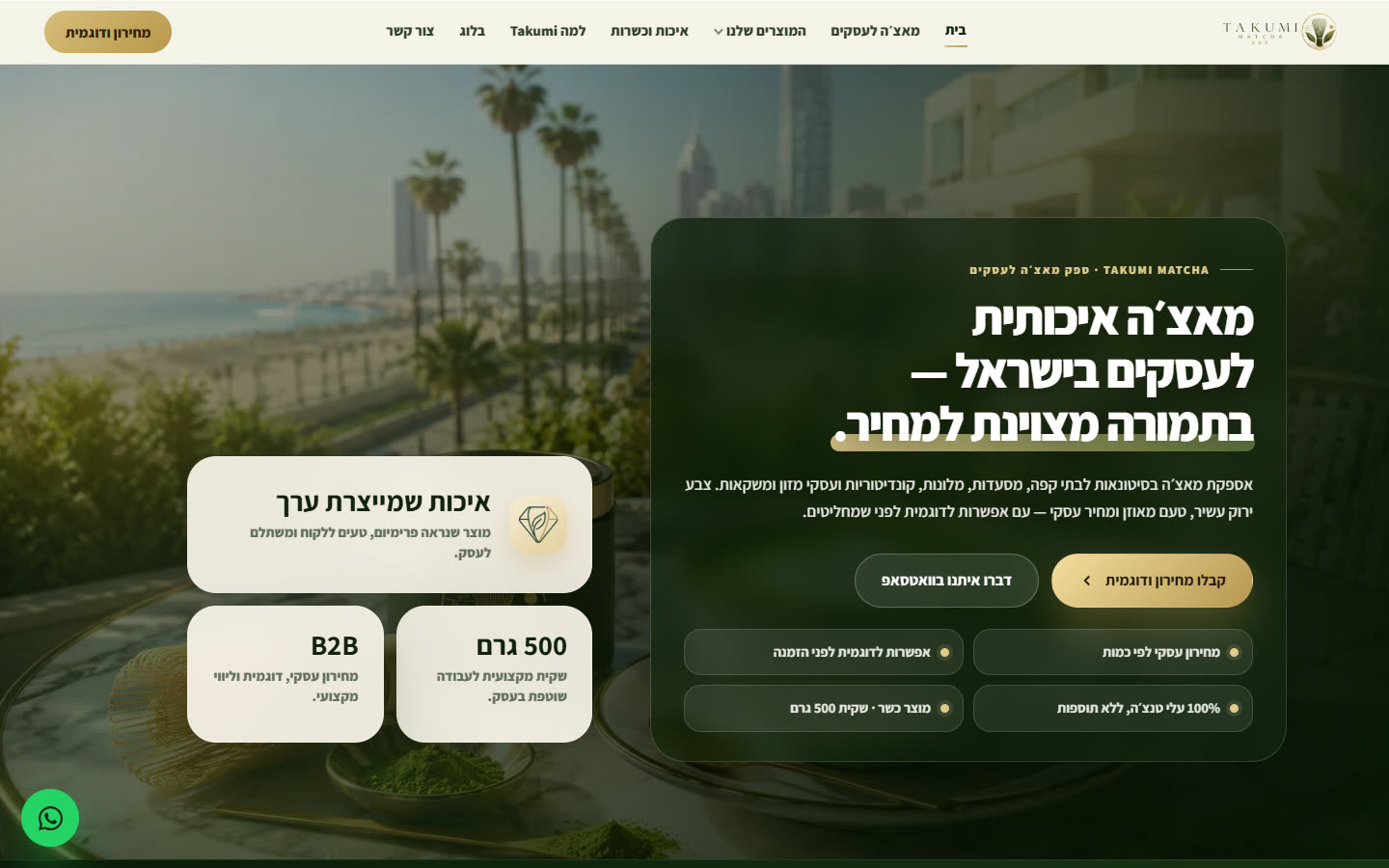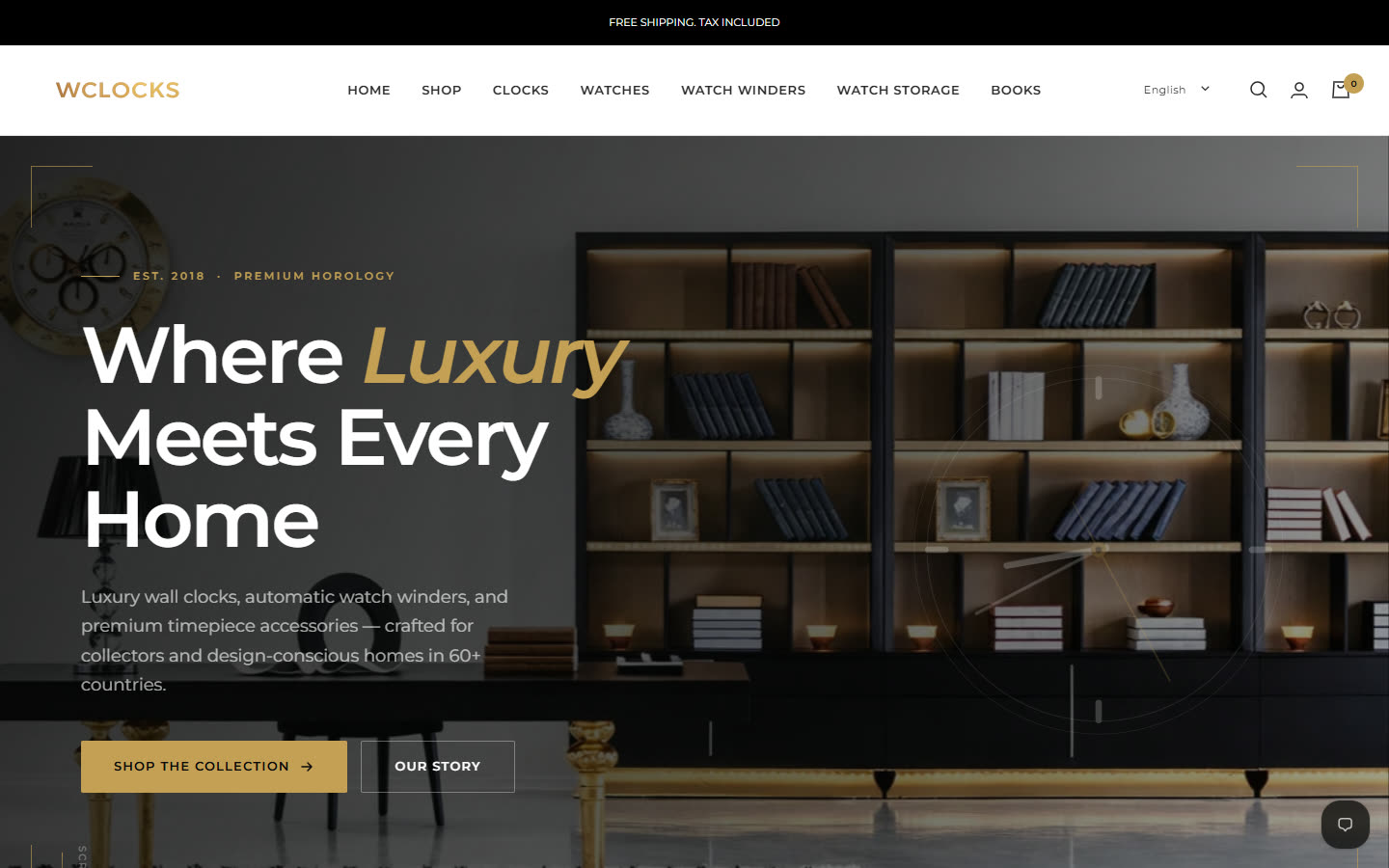
Wclocks
A premium online store selling wall clocks, watches and watch-care accessories to customers across many countries.
View project
 START A PROJECT
Websites
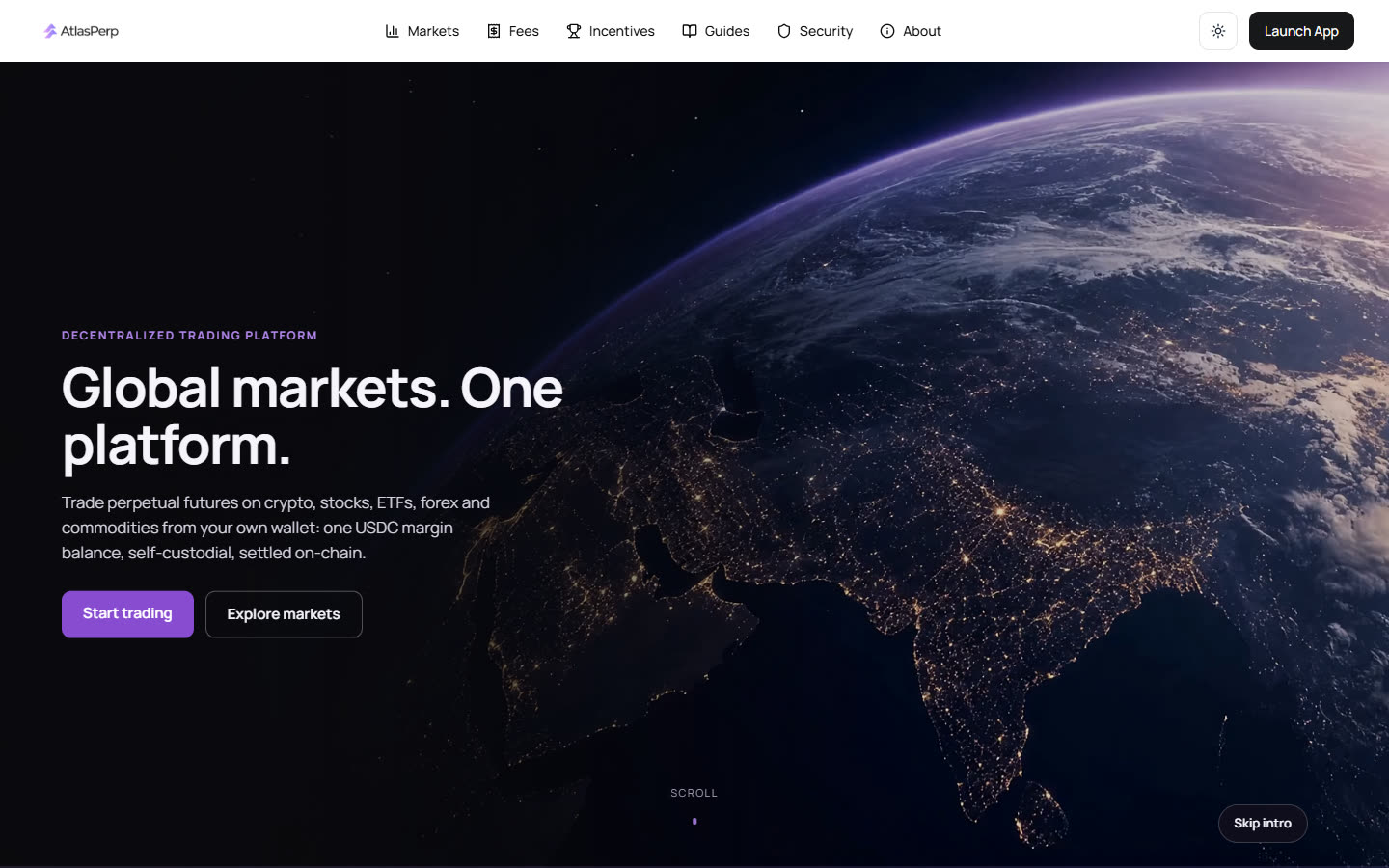
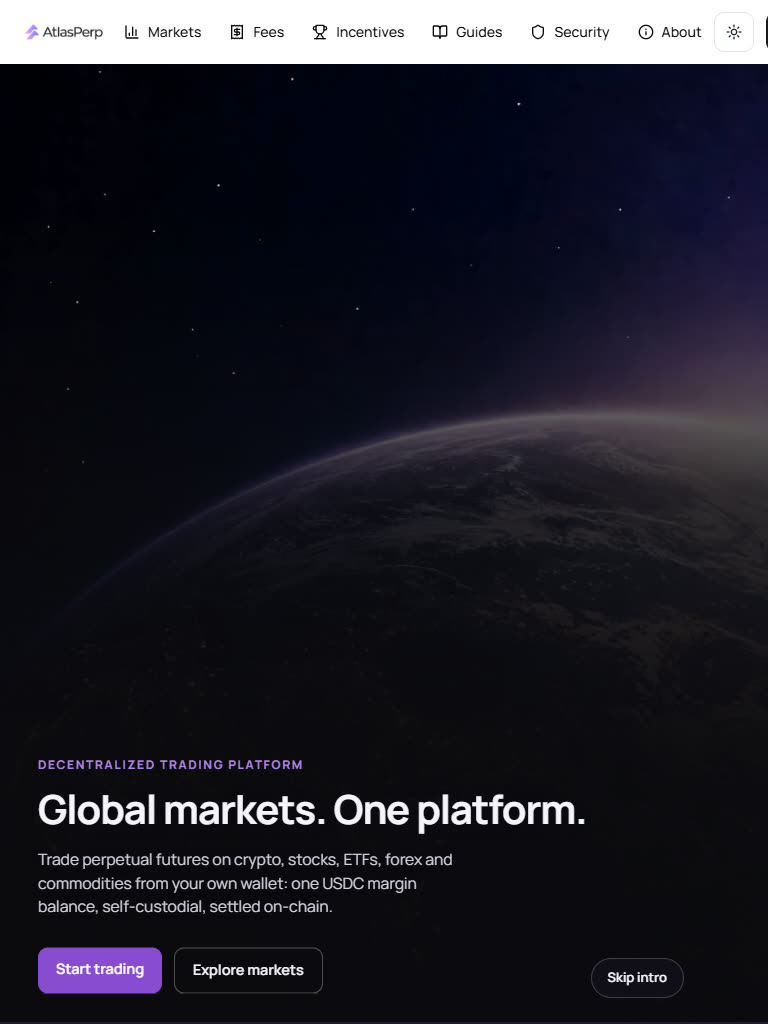
A self-custodial trading platform for perpetual futures on crypto, stocks, ETFs, forex and commodities, funded from one wallet.
The brief
AtlasPerp is self-custodial. Nobody opens an account and nobody hands over funds to be held — the visitor signs with their own wallet, and their collateral sits in audited vault contracts. That is the product’s central advantage, and it is also what makes the first visit hard: the moment of commitment is technical, feels irreversible, and arrives before the visitor has any relationship with the brand.
The product is broad as well. Perpetual futures across five asset classes, a swap routed over five networks, and a portfolio view spanning all of them. Explaining that without the page collapsing into either a feature list or a wall of jargon is a structural problem, not a copy problem.
Search compounds it. People look for this category in language that is unstable and often unfamiliar — by asset, by mechanism, by venue, by fee. A site can be perfectly clear to someone already in the room and invisible to everyone outside it.
Approach
Rather than claiming safety, the page diagrams it: wallet, vault contracts on each chain, the shared order book, settlement on-chain, and withdrawals signed back to the same wallet. Someone evaluating custody can follow the path themselves, which is the only kind of reassurance that works on an audience trained to distrust claims.
Taker, maker and swap fees are stated on the page, with the split between venue and platform shown rather than buried in a docs site. In a category where fee opacity is the norm, printing the number is a positioning decision.
Trading, Swap and Portfolio are presented as three things a person uses, not as a feature matrix. Each gets a plain description of what it is for, so breadth reads as range rather than as sprawl.
Markets are introduced through landscape — peaks and valleys as prices on one chart. It gives a page about an abstract instrument something to look at, and it carries the argument that every market gets the same tools.
Each asset class, each market and each mechanism needed somewhere real to live rather than being a tab inside an application. Markets, fees, incentives, guides, security and about are addressable pages, so the vocabulary people actually search with has somewhere to land.
The experience
A near-black ground with a violet accent and orbital imagery, set against professional charts and plainly printed numbers. The atmosphere is wide; the information is precise.
What the site does
Where it stands
The platform is live at atlasperp.io, trading perpetual futures across crypto, equity-, ETF-, forex- and commodity-linked markets.
The volume, open interest and market counts shown on that site belong to Orderly Network’s shared order book across every venue using it — the site says so itself. They are not AtlasPerp’s figures and they are certainly not ours. We publish no performance claims for client work.
Related services
More work
Tell us what you are trying to build and what is currently in the way. We will tell you what we think, including when the answer is smaller than a full project.